In this post, I share my conventional and not so common quilt back ideas for fabrics and piecing. I’ll also share how to choose fabrics for quilt backs.
This post is the second of a six-part series on finishing a quilt by machine. The first post was everything you need to know about batting here.
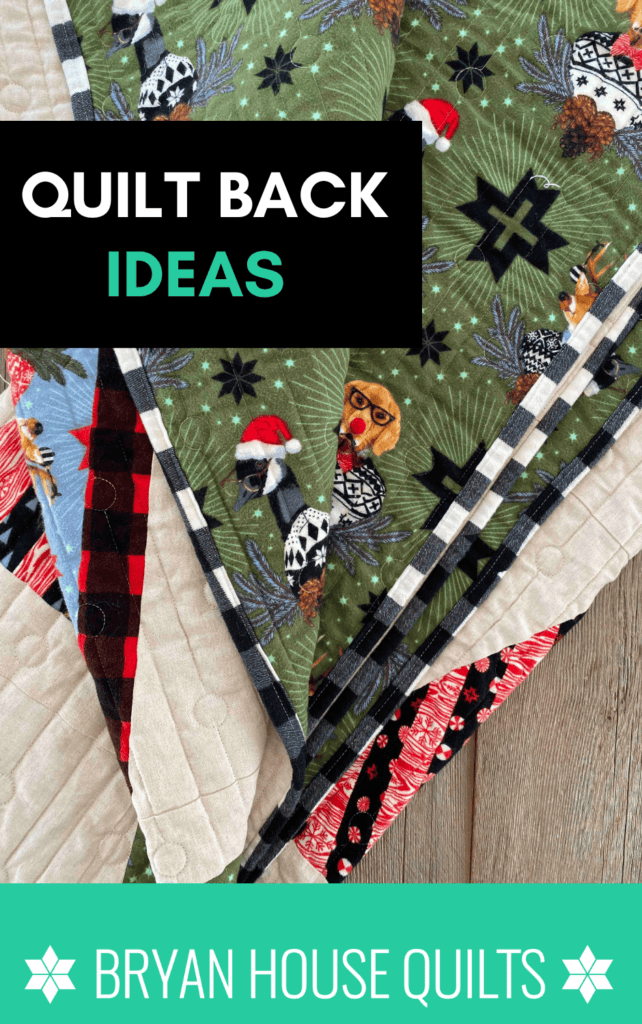
I like to plan my quilt back when I plan my quilt top. This often prevents the pile from growing. You know, the one with an unfinished quilt top, or ten.
Making a quilt back is as enjoyable – not a chore or afterthought – as makig the quilt top. Plus, you have two quilts instead of one. Happy quilting, happy quilter.
So I’m sharing all the ways I know to make a quilt back, based on time, budget, function, creativity and design. You have so many options for piecing a quilt back and most are beginner-friendly.
Most quilt patterns don’t have a quilt back design included so you need a stash of quilt back ideas.
I hope you’ll find some gems among the quilt back ideas and add more fun to your quilt back making!
See you on the flipside, Quilt Back
And not a minute sooner. The quilt top is exciting enough – who wants to think about the flipside?
Do you plan your quilt backing while you plan the quilt top?
Some quilters relish the planning phase, while some of us can’t wait to sew and rush through the preparations.
Un-planning takes so much time:
- Buying the wrong yardage
- Extra trips to the quilt shop for matching thread,
- Ripping out stitches
- Not having time to finish
Four nifty reasons to plan a quilt top and quilt back at the same time:
- Extend the quilt top’s design to the quilt back – use the same fabrics – two quilts in one
- Save time by having everything you need on hand.
- Research the best backing fabric for the quilt’s function
- Match your quilting skills to the type of backing and get advice for new techniques
l love quilt backings because they are so many things at once: Comfy, warm, colorful and a surprise bonus quilt on the backside.
And more: a spot for orphan blocks, creativity and leftover fabric scraps.
Making the case for a lush, soft backing is easy – my family’s quilts are snuggle nests on movie nights and carried around the house. My quilt backing fabrics range from cotton to velveteen.
Unsung Heroines
More than a cover for batting and an anchor for the binding, a pretty, functional quilt back is easy to achieve.
New to free motion quilting? Hide your snafus in a busy print.
Pressed for time? Gift yourself with 108 – 118″ of time-saving goodness with wide backing fabric! A bit of trimming and you’ve got the quilt back covered.
Now, let’s talk about backing fabrics.
Backing Fabric
Backing fabric is the bottom layer of a quilt sandwich. A quilt sandwich is made up of the pieced quilt top, batting in the middle and backing fabric. Quilters make a quilt sandwich to prep for stitching the layers together.
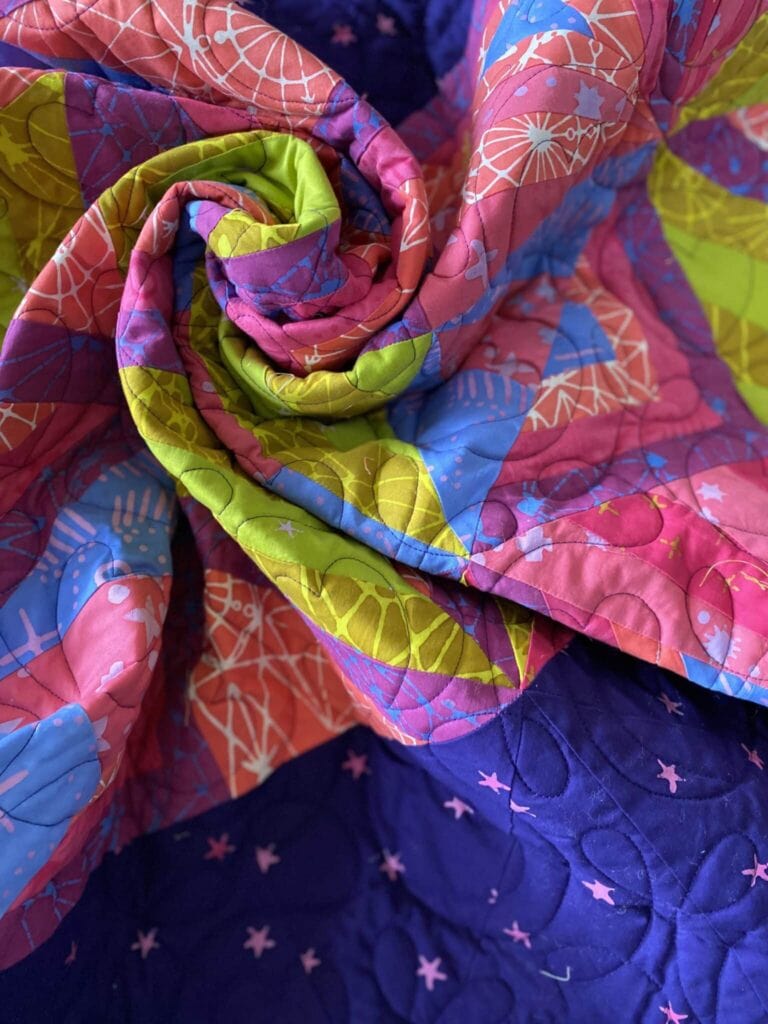
Below, I’ll share my experiences with many backing fabrics and unofficially rate (1 to 5) each according to how easy they are to use and durability.
Make sure to discuss your fabric choices with a longarm quilter for the best results.
My list includes:
- 100% cotton quilting fabric
- Cotton lawn
- Cuddle/Minky
- Double gauze
- Velveteen
- Fine wale or baby corduroy
- Flannel
- Fleece
- Bed sheet
Fabrics
100% Cotton
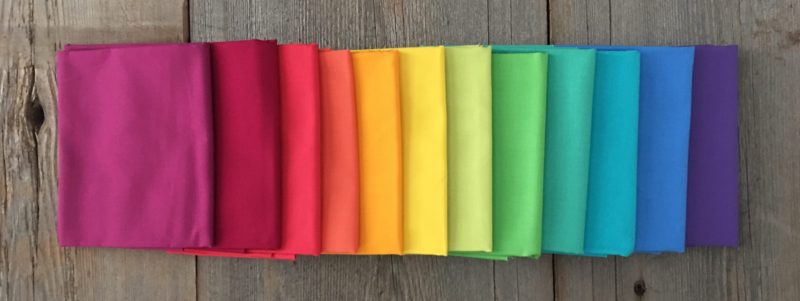
Conventional quilt wisdom advises us to use quality backing fabric, specifically cotton fabric woven for quilting. I couldn’t agree more, especially if yours is a love-and-tug quilt. The quilt backing holds in the batting and gives us the snuggle – I like backing strong and soft. Premium quilting cotton does all that.
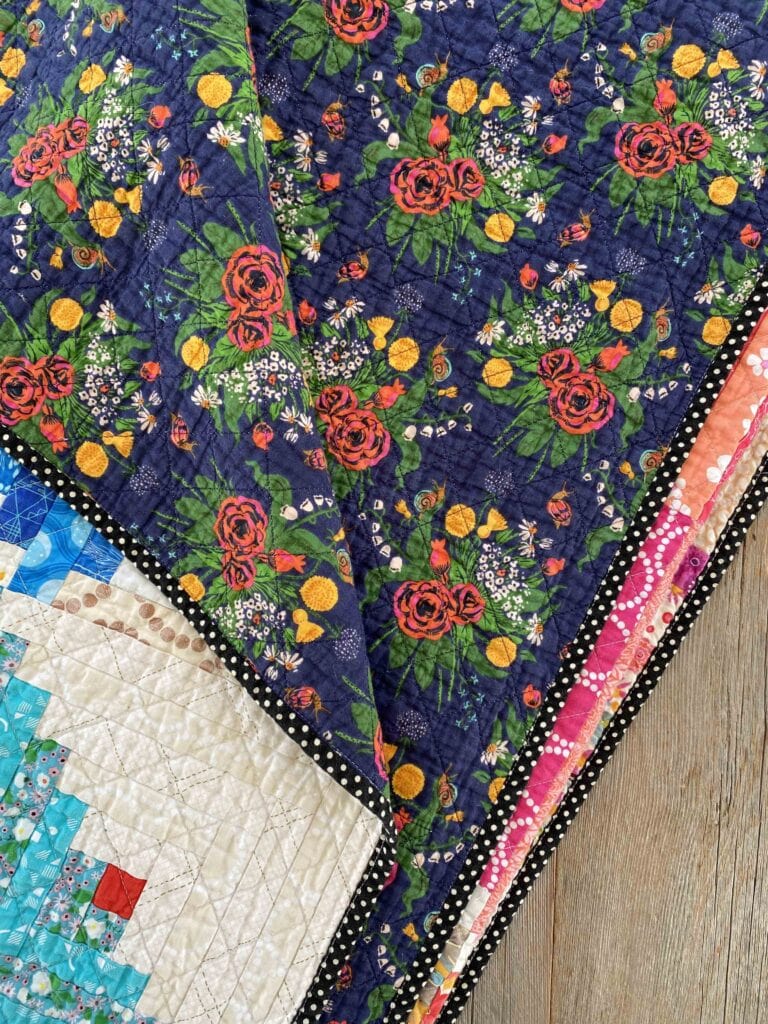
For a super fine snuggle, cotton lawn is awesome! Cotton lawn is a lustrous cotton fabric with a high thread and smooth hand.
Cuddle™ and Minky Quilt Back
Shannon Fabrics makes Cuddle™ and minky fabrics. This plush polyester fabric is fantastic for baby and kids’ quilts – a super soft cuddle. My friend recently backed a lap quilt with minky for an elderly aunt who was always cold. Not anymore!
Wide Cuddle™ comes in a 90-inch width and many colors and styles – no piecing needed for the backing.
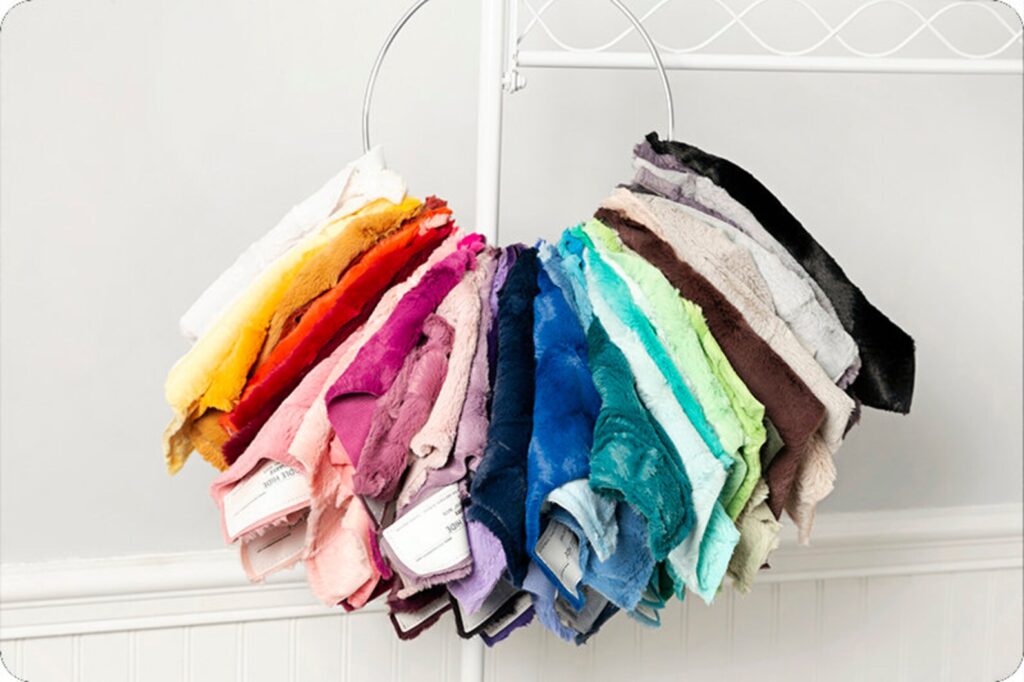
Lightweight and lofty, they are durable and washable.
They are a bit trickier to sew because they shed, slide and stretch. Keep a small vacuum cleaner close by.
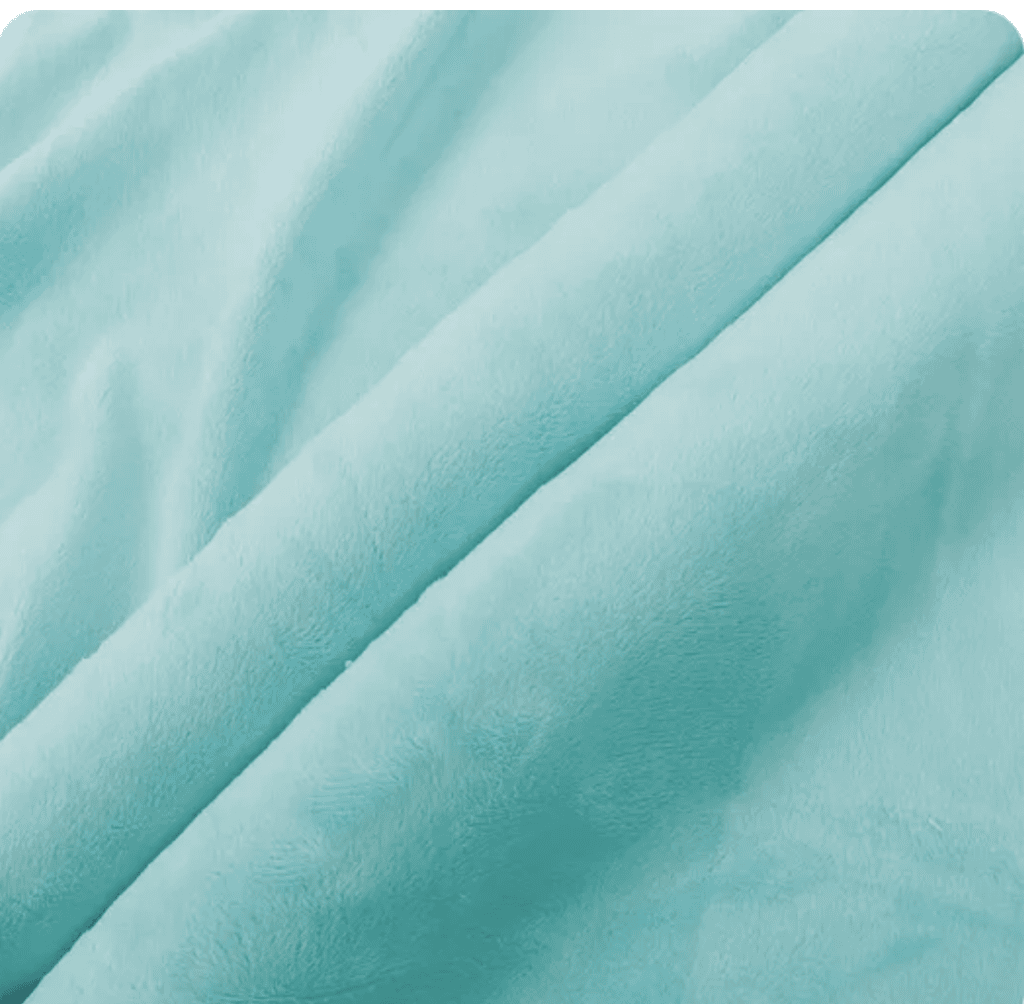
Not a great selling point minky and Cuddle but they are worth a try. Shannon Fabrics has a great post with helpful tips for making a quilt backing with Cuddle here. Once you’re used to sewing with it, you’ll be unstoppable. I plan to give it another go.
Velveteen Quilt Back
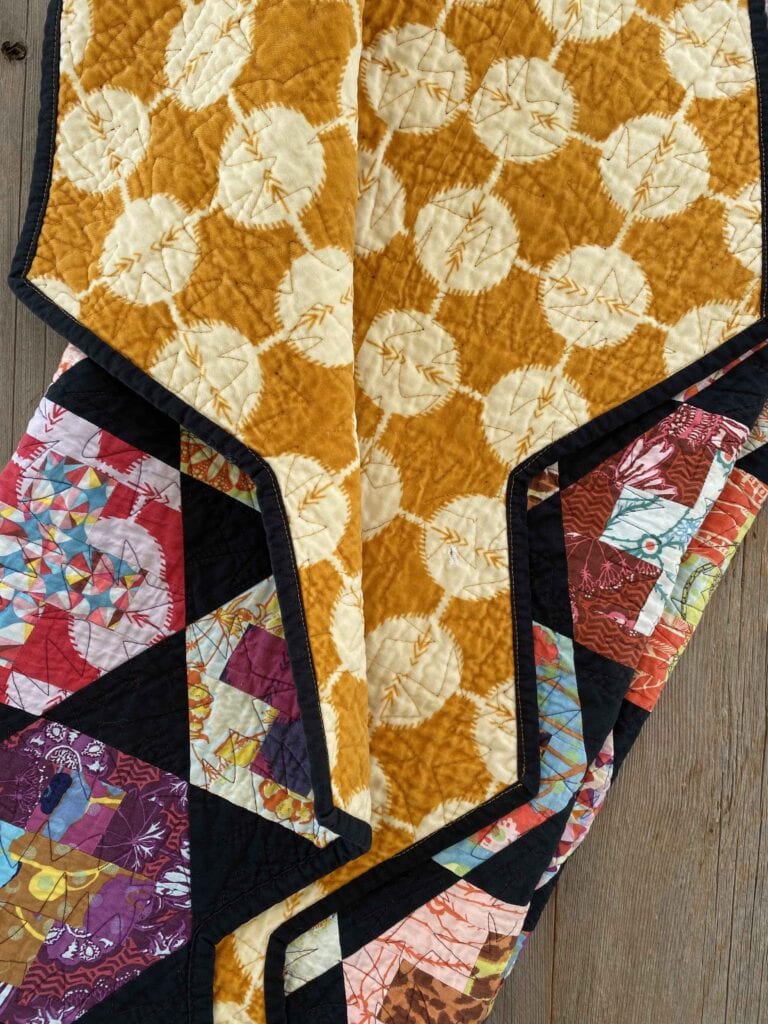
When I discovered cotton velveteen by Anna Maria Horner, I had to try it.
Robert Kaufman has a lovely velveteen collection at Hawthorne Fabrics on Etsy here. Oh man, the colors!
If there was a velveteen cheerleading squad, I’d be the captain. And loudest.
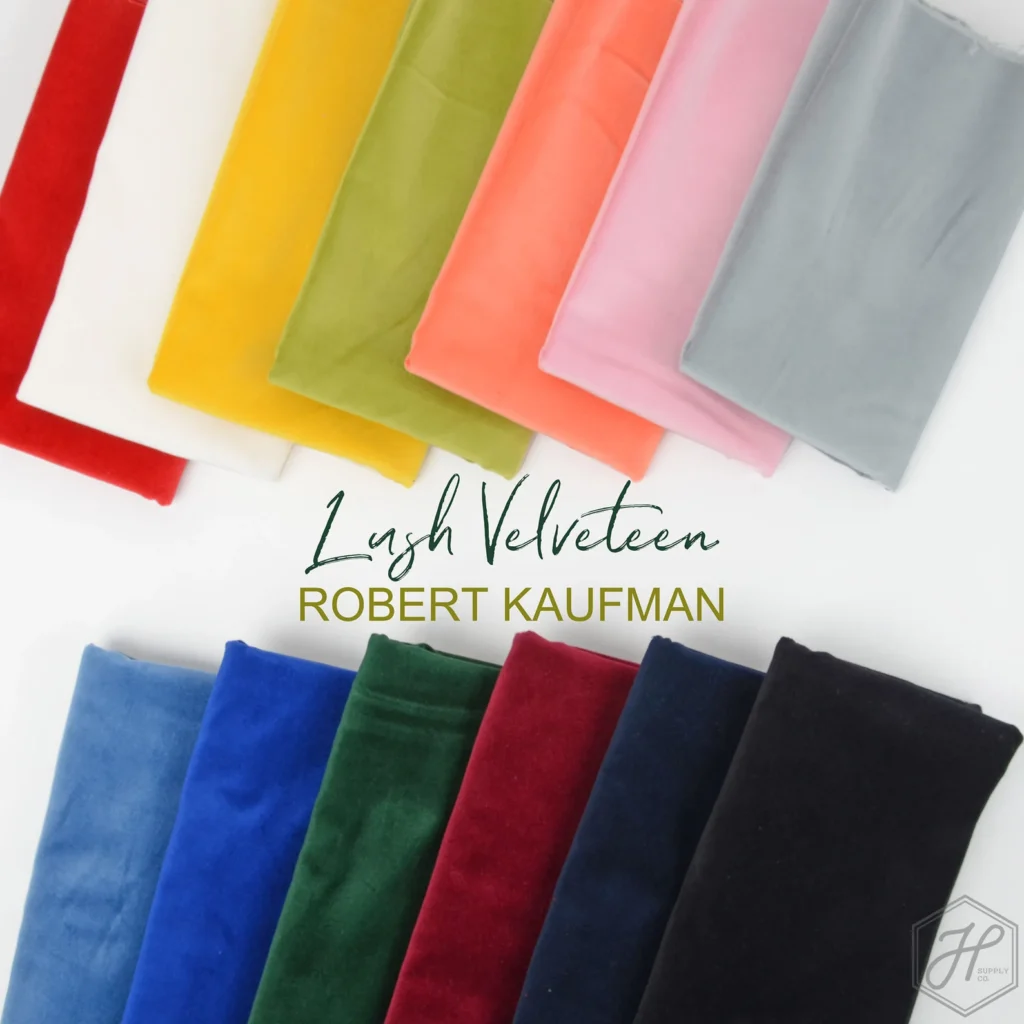
Lucky us, cotton velveteen gets softer the more you use it – like the Velveteen Rabbit. Throw it in the washer and dryer to get the loveliest crinkle in the land. After a few laundry visits, the lint is minimal. Oh, and the colors!
The tricky thing about buying velveteen is selecting the right version. Be careful to purchase only 100% cotton velveteen, instead of stretch velvet (panne), or upholstery velvet. Upholstery velvet is stiffer and needs dry cleaning – not a good fit for a cuddly quilt.
Velveteen is a mid-weight fabric and stiffer before laundering. Free motion stitching may take longer on a domestic machine because of the bulk. Definitely use a stronger needle – 90/14 topstich needle or 100/16 denim needle – to easily pierce through the layers.
Velveteen is durable but very linty at first, especially when cutting. Lint builds up in the bobbin area – swipe often to keep your sewing machine clean.
Corduroy Quilt Back
100% baby (fine) wale cotton corduroy is almost as wonderful as velveteen. Baby wale corduroy has a very soft hand and gets even softer when you wash it. Quilters use it to back baby quilts as well as other soft toys. Heck, use it for piecing on the top, too.
Baby wale comes in 54-inch width and costs 75% less than premium quilting cotton. It could easily cover the width or length of a baby quilt. Sweet Stitches Ohio on Etsy has some pretty choices here.
My quilt “Mr. Jones” was the lucky recipient of corduroy backing.
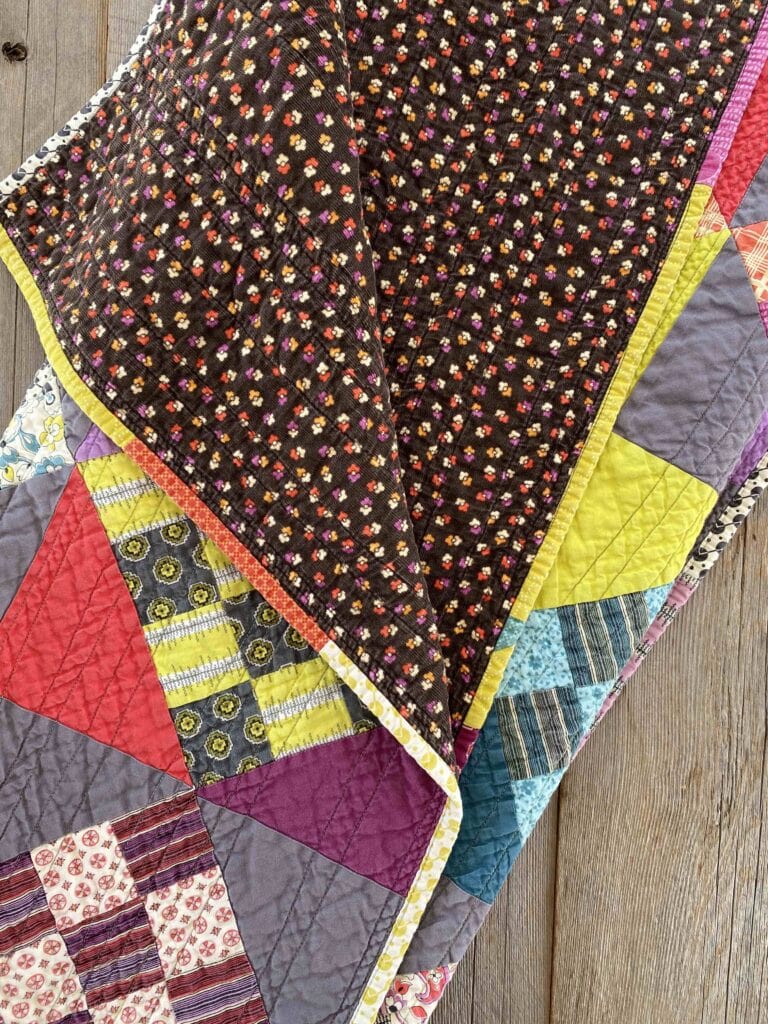
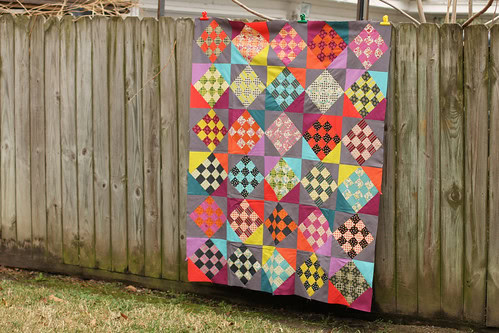
My main gripe about corduroy is the lint when sewing with it. And every thread bit in my sewing room finds the corduroy. Magnetic attraction! Still, the hassle with lint is nothing compared to the fabulous feel.
I want to make a coral quilt just to use this fabric.
Double Gauze Quilt Back
What?! Double gauze for a quilt back? Yes, oh yes!
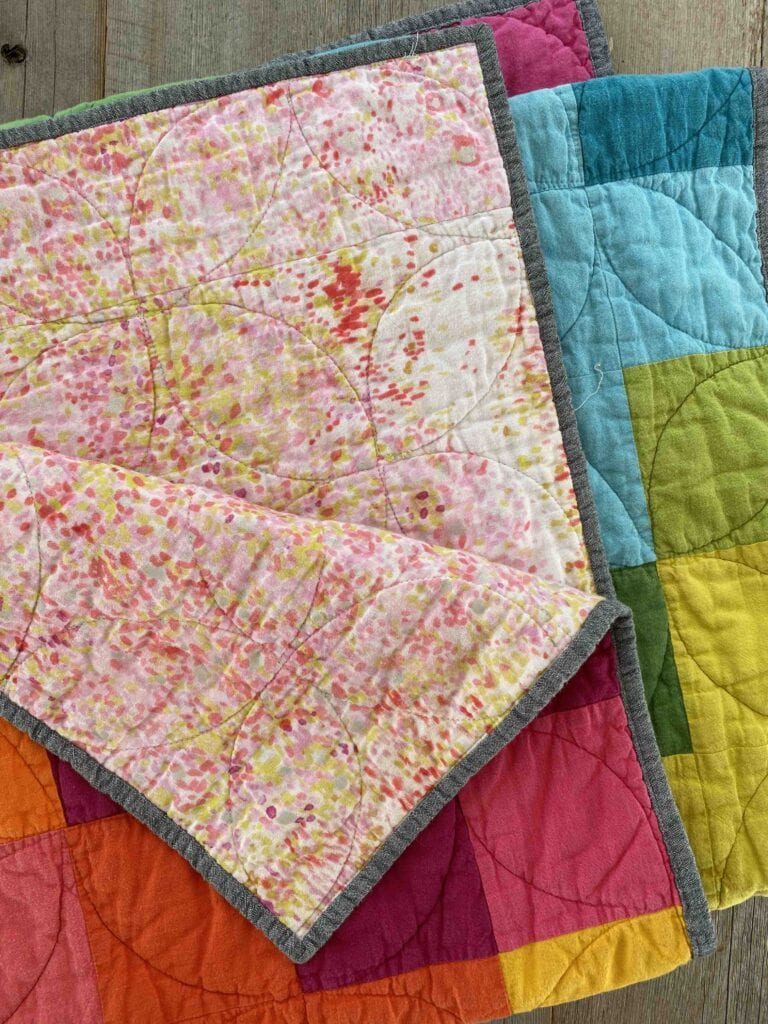
Double cotton gauze is used for receiving blankets – perfect for a quilt back. Double gauze is two layers of loosely woven crinkled cotton, invisibly stitched together at intervals. Breathable, soft and available in prints and solids, try this fabric on a summer or baby quilt.
Sewing with double gauze is different than working with quilting cotton. Double gauze has a very loose weave which frays and stretches a bit. Straight stitch at the edges before pre-washing to minimize the frays.
Double gauze is a wonderful backing fabric and it’s already CRINKLED. Gotta have crinkle.
Flannel Quilt Back
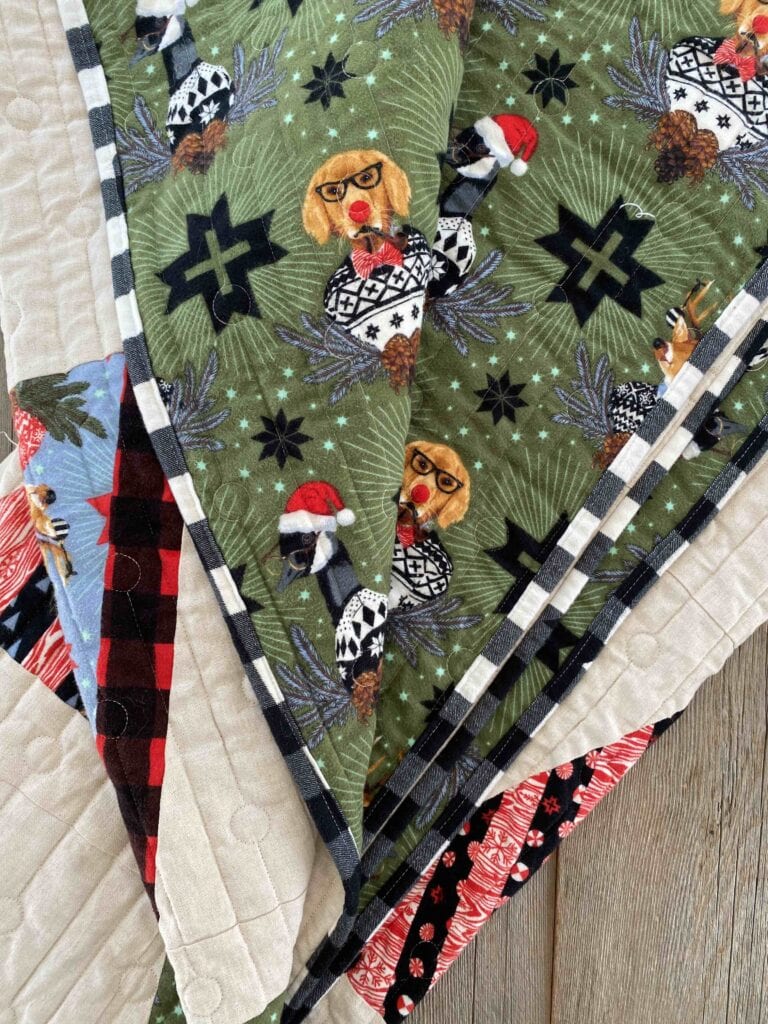
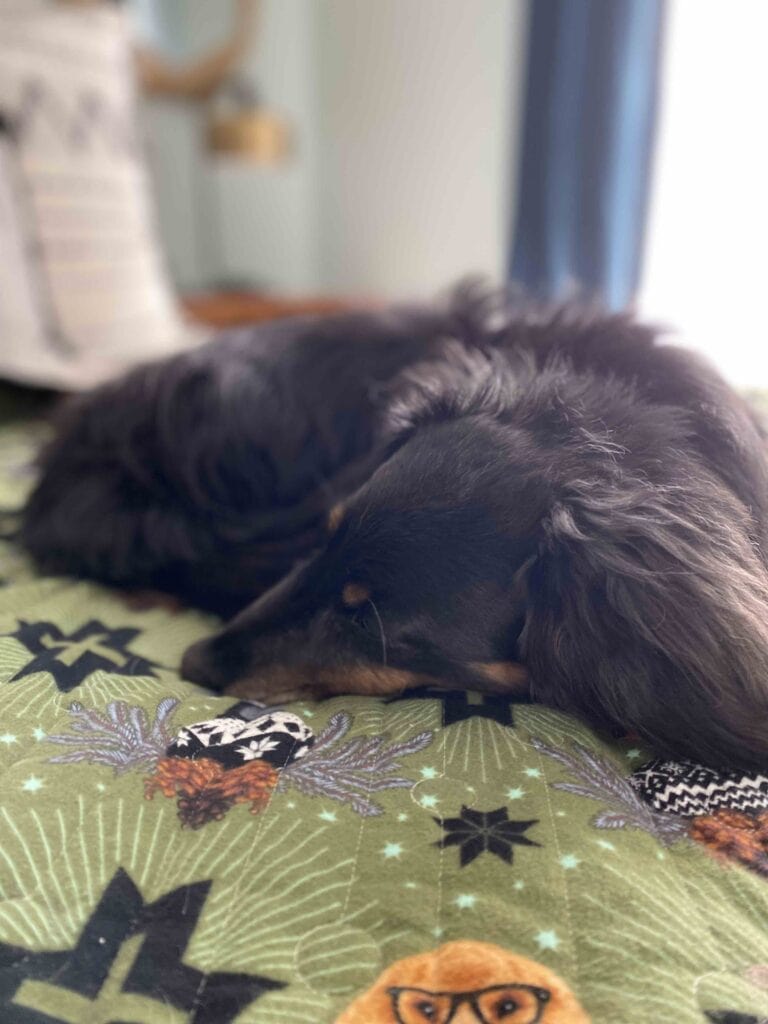
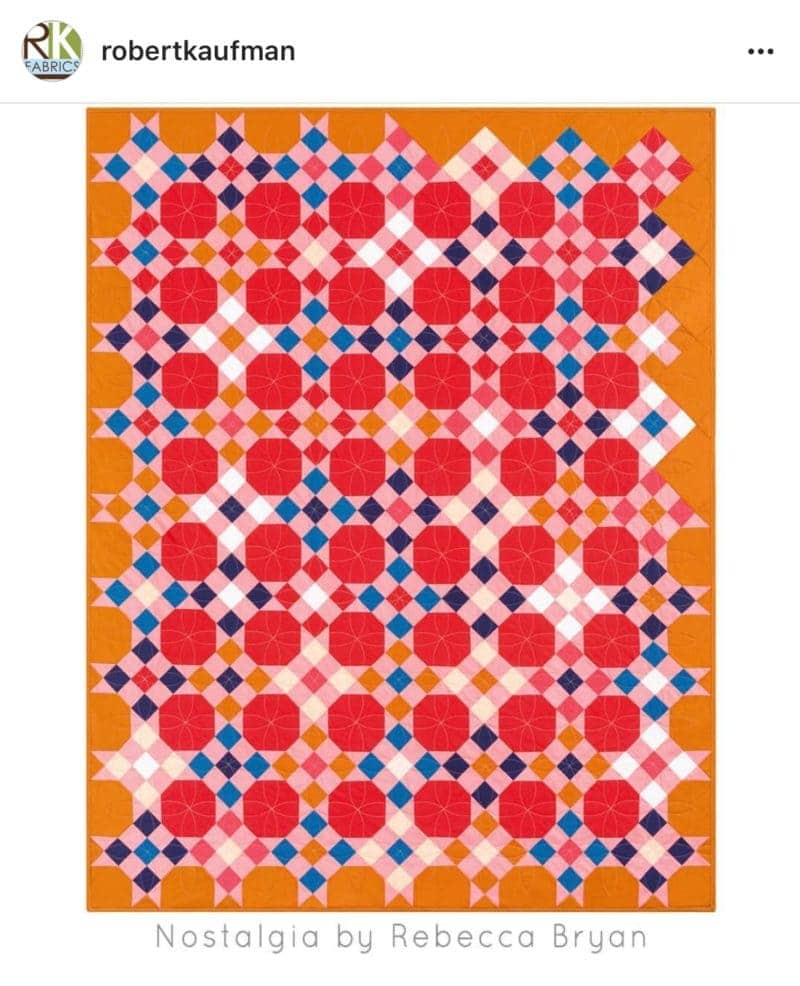
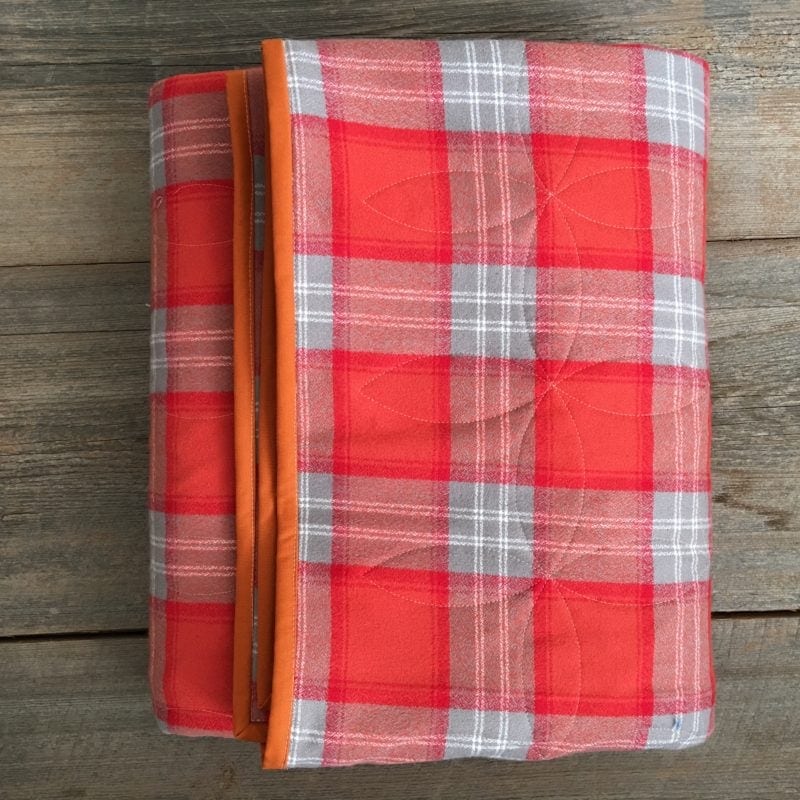
100% cotton yard-dyed flannel is a great choice for wintry quilts – they are warm and durable. My favorite splurge is Mammoth flannel (see photo below). I chose flannel for backing the Nostalgia quilt I designed for Robert Kaufman.
Pay close attention to the flannel’s fiber content – not all flannel is cotton – some flannel is a poly/rayon blend. Less expensive flannel isn’t yarn-dyed – the colors are screen printed on the fabric. Not quilt as lushy as woven yard-dyed.
Flannel frays, especially when you rip out stitches. It stretches a bit due to the looser weave which give the quilt some nice “crinkle” – part of its charm. For the best results, choose flannel from a quilt shop that is meant for quilts – it is stable and usually mid-weight. The quality is top-notch.
Fleece
Many quilters use fleece as backing fabric. Fleece stretches a lot on both the lengthwise and crosswise grains. Argh. That’s significant when you’re goal is keeping the layers aligned. (If you plan to quilt with fleece on a longarm, APQS has a helpful article here for loading it onto the machine.)
Here’s the thing: who doesn’t love fleece? If you give fleece a chance, make sure you thoroughly baste it before stitching.
Flat Bed Sheet
Some quilters use bed sheets for a quilt back; traditionally, quilters have repurposed all kinds of fabrics for their quilts. Their sizes make them a perfect fit and popular way to upcycle and save money on materials.
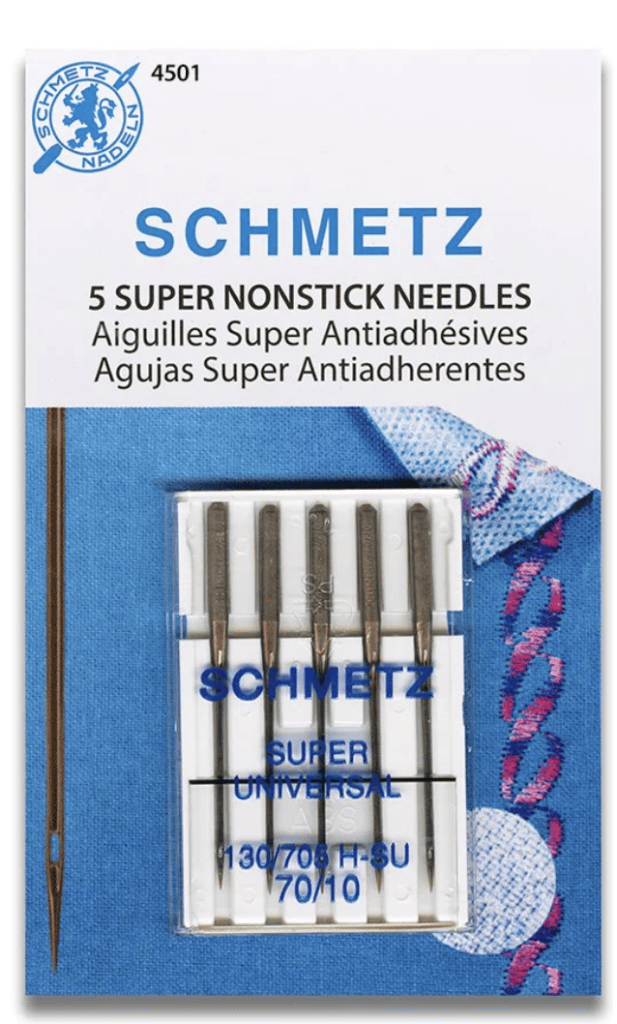
One drawback is that some sheets have a tighter weave (more like poplin) which makes it harder to quilt. A Schmetz Microtex Sharp needle works, however, a needle larger than 80/12 will punch a hole in the fabric. Sometimes it even makes a popping sound!
Consider this: fabric for quilts is woven within a range of 60 (good quality) to 220 (batik) threads per square inch; bed sheets are often woven at 300 threads per square inch or greater, up to 1200. Quilt fabric is easier for a needle to pierce than a tightly woven bed sheet.
Sheets with a higher thread count are generally softer and very durable – they are used on beds after all for our comfort.
How Much Time Do You Have?
My best quilt back ideas come from how the quilt will be used. A great quilt and backing is when form meets function and fall in love. And have a baby (my quilt, LOL)
The form of your quilt is the design, fabrics and workmanship.
Function is how it will be used and includes materials to support functionality, like the types of thread, fabric content and batting.
Both form and function have time and cost considerations:
- Do I want to spend x amount of time on y kind of quilt?
- Do I have enough time to try a different kind of fabric for the backing?
- Does it matter what the back of the quilt looks like?
- Does the quilt require a specific backing for people with allergies or sensitivities?
- What is the budget for the quilt? (what budget?!)
Basically, you have two choices for backing styles: whole cloth (one piece) or pieced.
For example, a quilt top with a 1000+ pieces is a commitment! By the time you’re done, a whole cloth quilt back is calling. Easy decision.
Some modern quilts have minimal piecing on the quilt top. It’s super easy to add a few orphan quilt blocks to the quilt back to mirror the design. Tah-done.
Fabric stash overflowing? Shop your stash for complementary fabrics and piece some quilt blocks for the quilt back. The reason I told myself to buy a gorgeous fabric – “because I WILL use that someday” – haunts me!
Or maybe you’re like my friend who has 20 quilt back fabrics in her stash “just in case”. In case of a cotton crop failure? – smile –
Whole Cloth Quilt Back Ideas
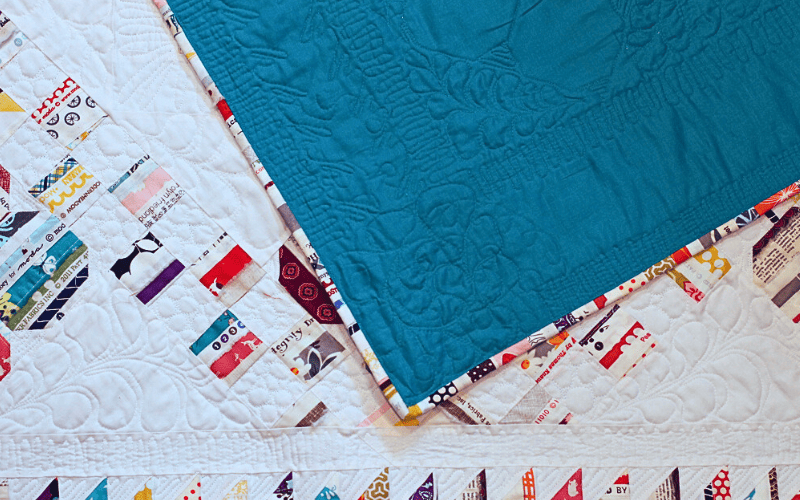
Whole cloth backings are used most often by quilters – a no-seam time-saver. In fact, most wide quilt backing fabric has a blender style print with one dominant color for matching the quilt top.match the quilt top.
Whole cloth backing is my go-to because I love print fabrics on the back. I’m a solids-on-the-front girl but gush over prints for the back. As you can see in the photo above, I actually used a solid on the back.
Beautifully designed prints are irresistible.
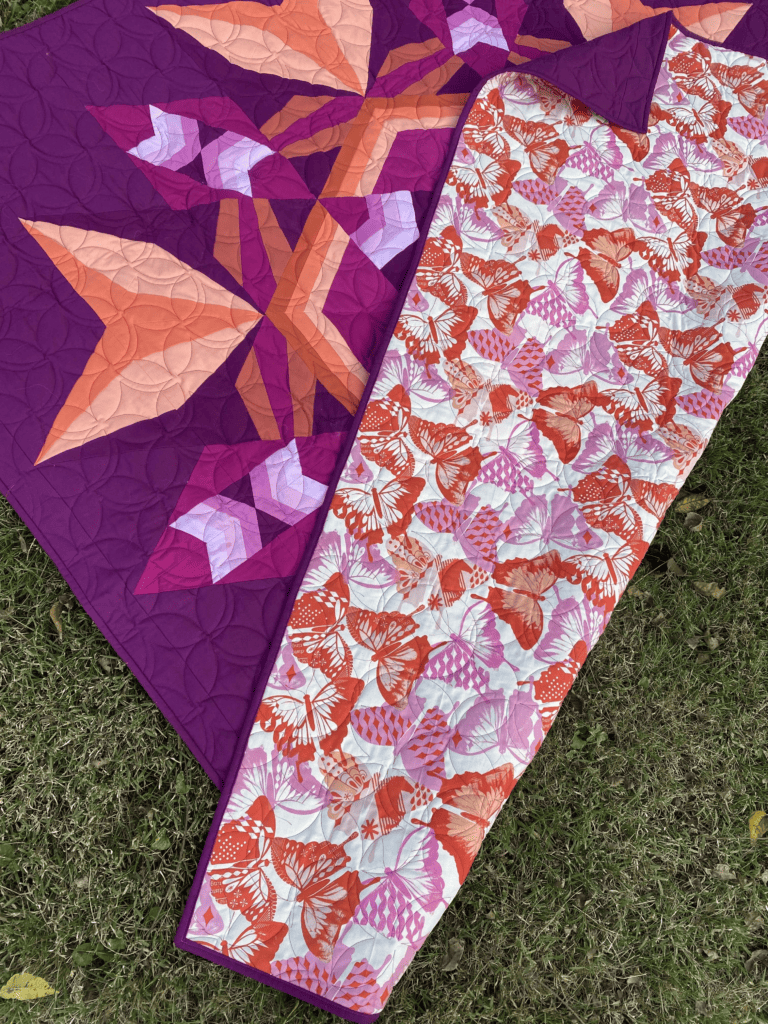
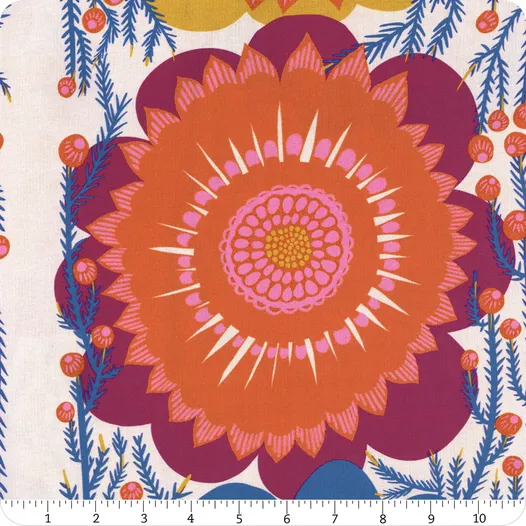
Whole cloth backings are used most often because they are easier, convenient (wide fabric) and time-saving (no piecing). They feature larger motifs because they backing is a whole piece.
They are versatile because different kinds of fabric check the function box: warm, cozy, soft, stiff squishy and crinkle texture.
And they will show off your stitching – or not – if you don’t want to show off your thread nests!
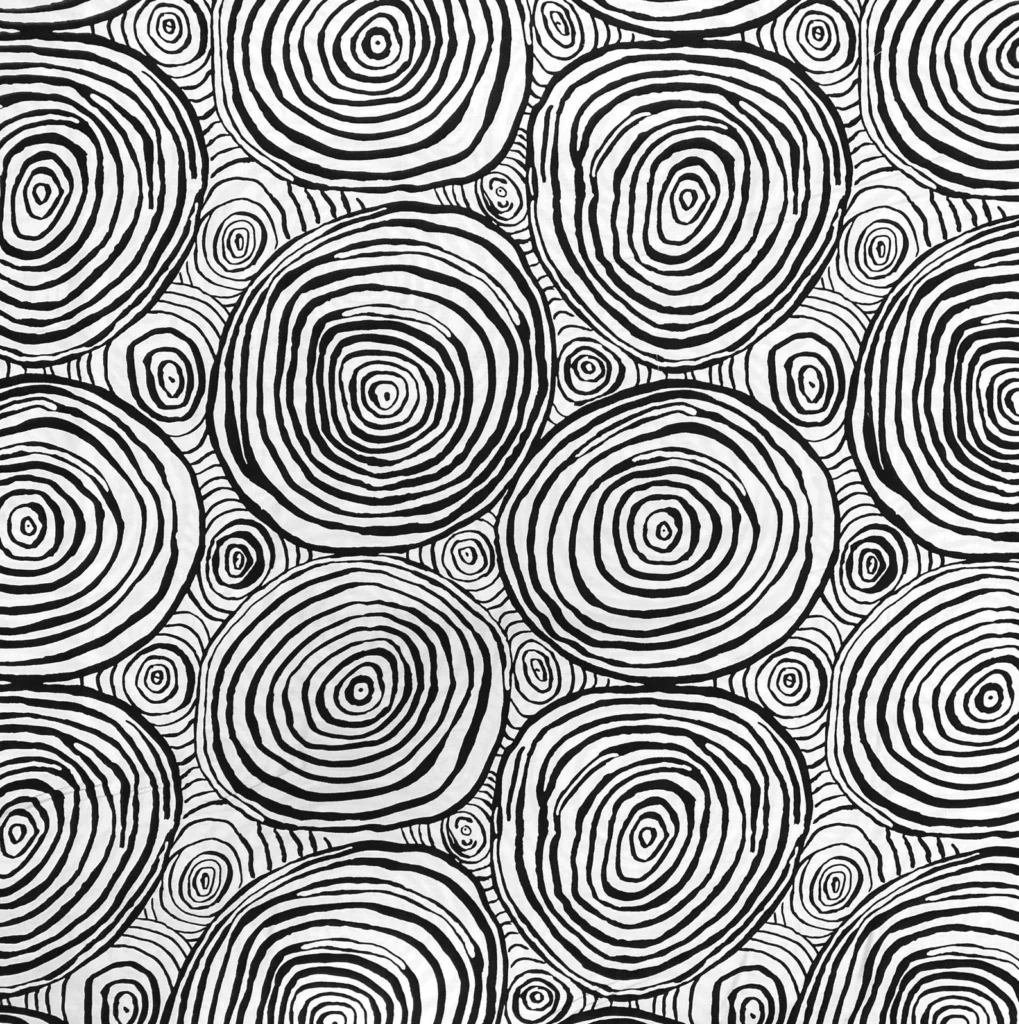
If your free motion skills are new to you, use a whole cloth backing with a large motif print. I dare anyone to find skipped stitches.
Not that anyone’s looking. Most people wouldn’t know to look at the quilt backing. A quilt top is all there is, right?
WIDE BACK FABRICS
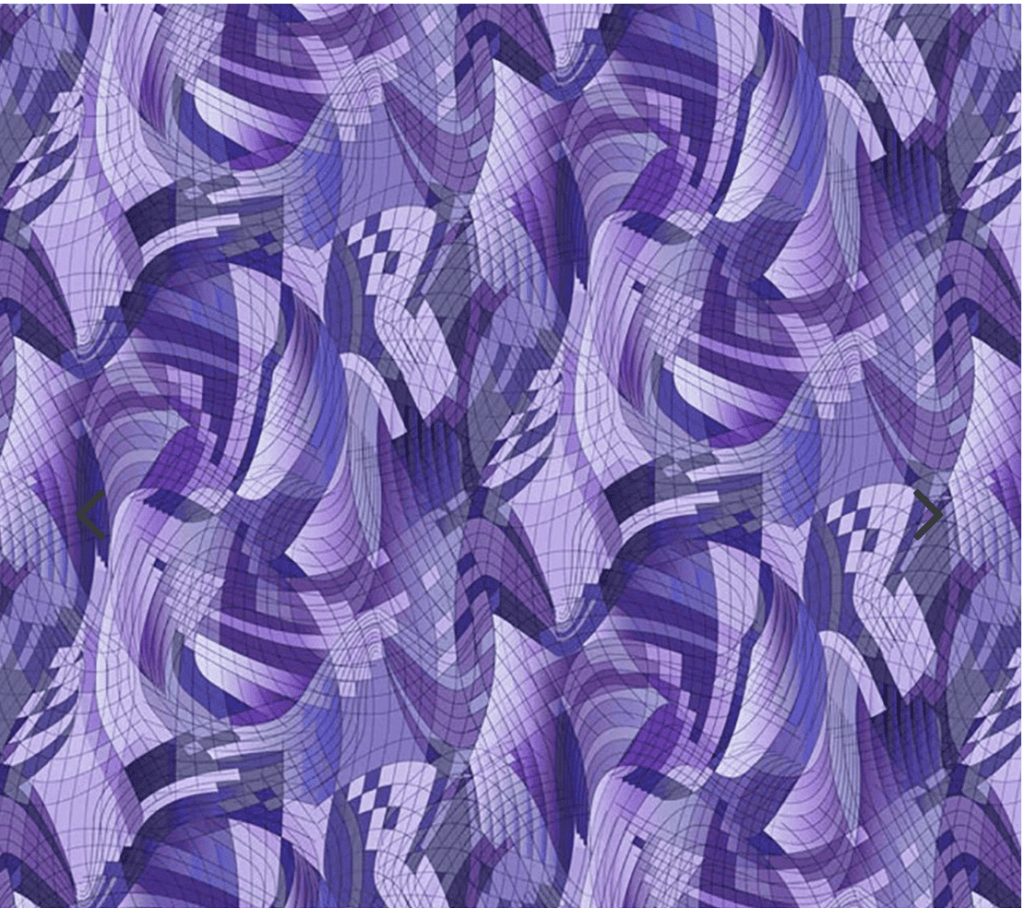
Wide backing fabrics are between 108 and 118-inches wide. They are perfect for whole cloth backings and king-sized quilts – convenient and no piecing. They might seem pricey but are less costly per square foot than 44-inch wide yardage.
Depending on where you shop, you’ll find a good selection of quilt backing fabrics for modern, traditional, novelty and baby quilts.

Not that anyone’s looking. Most people wouldn’t know to look at the quilt backing. A quilt top is all there is, right?
The wide fabric quilt backing selection has grown, making it easy to back a larger quilt.
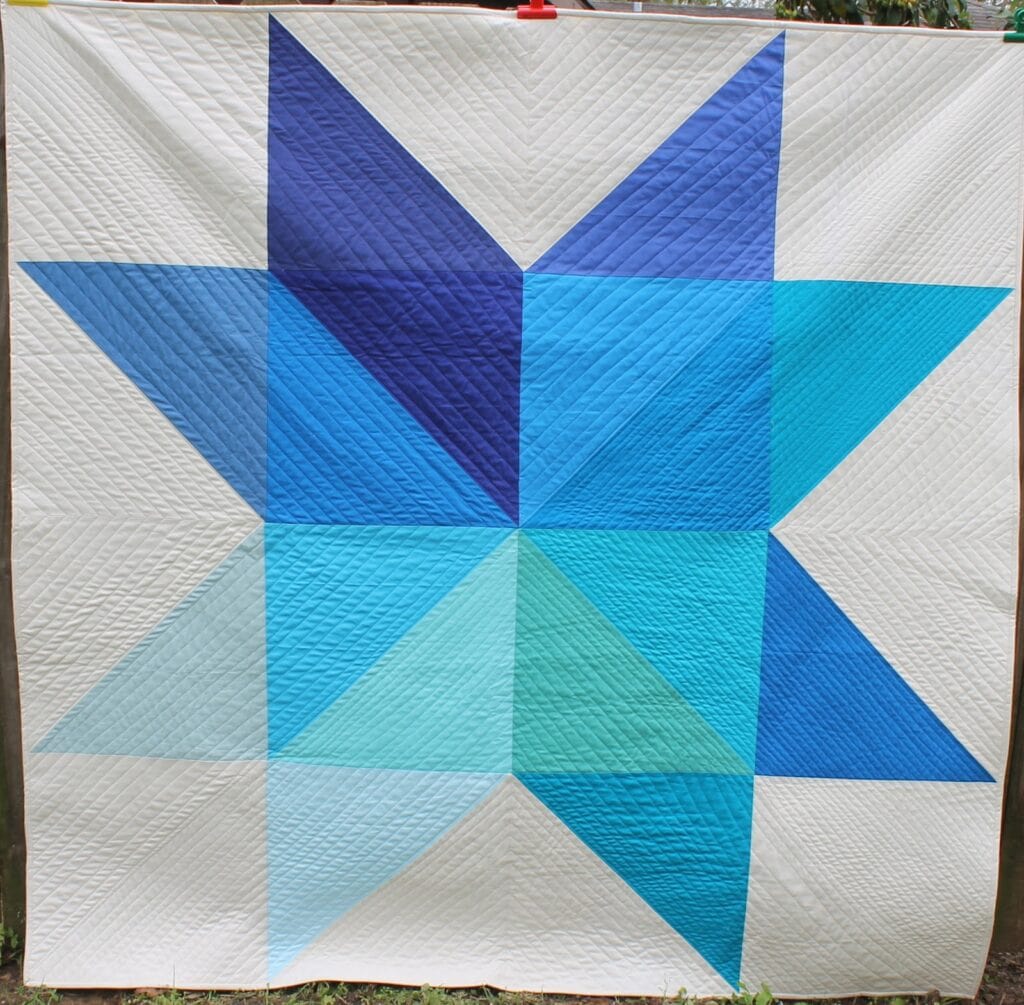
Whole cloth quilt backing complements the quilt top. Make a statement with the binding and backing. flip the quilt over and you’ve got another quilt without stealing from the time bank.
One of the easiest ways to design the quilt back is using the same fabric as the border fabric pieces. The same thread goes in the bobbin and you’ve got a two-sided beauty.

Quilt Backing Ideas
Quilt Back Ideas for the Modern Quiltmaker
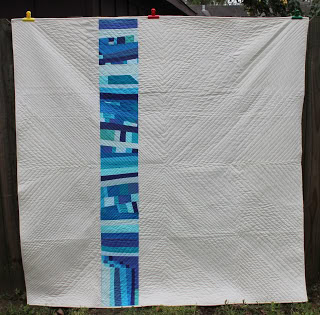
Modern designs are fun inspiration for modern quilt backs. Bold minimal designs and asymmetry work well on quilt backs and these fun quilt backs fit right in. Here are my main go-to quilt back ideas:
- A quilt back covers a lot of real estate – a simple two-piece quilt back with an asymmetrical placement is modern and easy.
- An improv quilt top looks snazzy with one improv pieced row with a solid colored background. Smart and scrappy.
- Raw edge applique shapes on the quilt back that mirror the shapes on the quilt top, using the same fabrics or in a solid fabric.
- Abstraction: Piece large, funky shaped leftover fabrics into a giant abstract for the quilt back.

More Pieced Quilt Backing Ideas
Quilt back ideas using pre-cuts are good ideas for a quick finish when you want somethin’ special on the back.
Jelly Roll Strips
A fast quilt top also makes a speedy quilt back. Long strips sew in alternate directions are the Nascar 500 racing in the quilt world. I’ve seen how fast quilters make machines go!
Fat Quarters
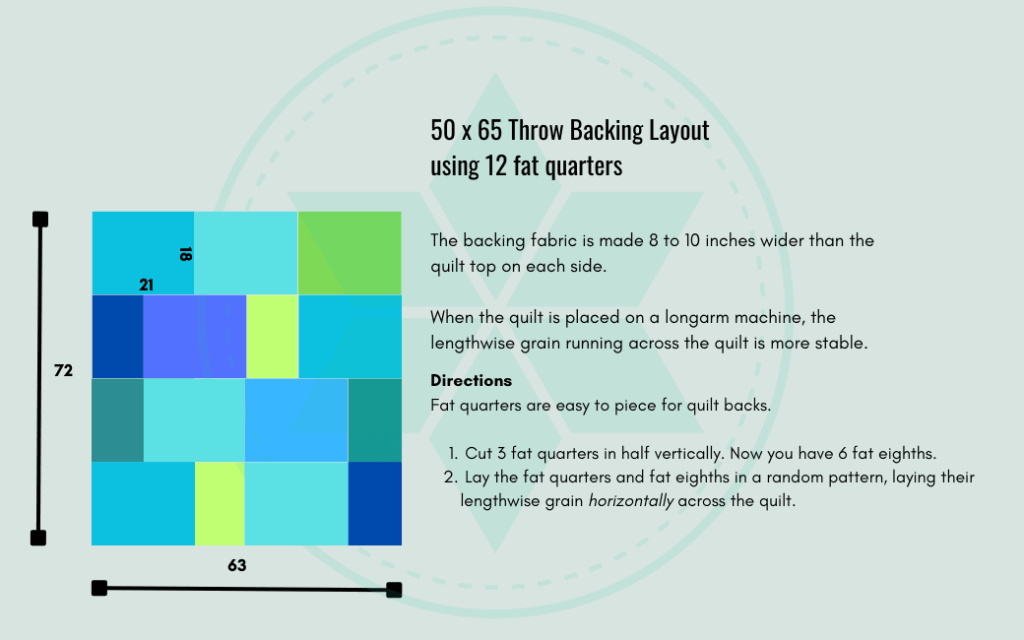
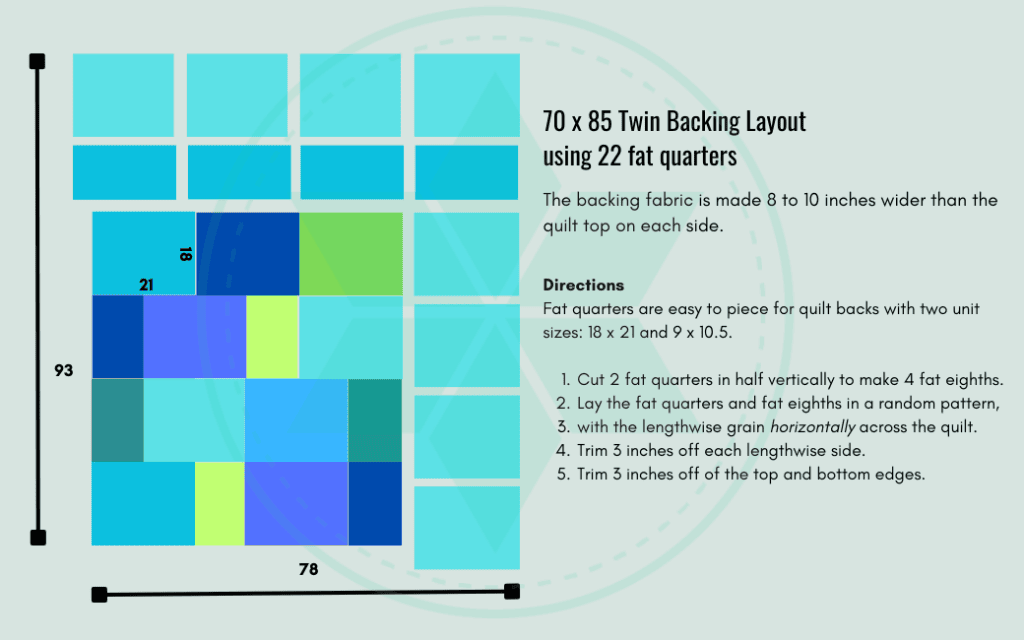
Fat quarters are irresistible and I love using charm packs. I created these charts for using fat quarters as large pieces for backing. A little cutting and trimming, mix, and sew.
Charm Packs and Half Square Triangles
Five-inch squares and half square triangles of the same size are back-friendly fabric time-savers. No matching necessary. Sew and go. When I make that many HSTs, using them on the back feels great.

One or Two Panels
Panels are typically 24 x 44 inches. Many juvenile prints have matching panels that could work on the back with borders and extra blocks. So cute!
Super McSize your Block
Take a 4-inch block and resize it to 24″. The quilt math is easy: calculate the percentage to enlarge a block by using a number divisible by the original block size. For example, 24 is divisible by 4 (original block size) and yields 6. Enlarge your block by 600 percent to get a jumbo block. A throw quilt needs four 24-inch blocks for the quilt back. Fill in the remaining space with borders.
Pieced Backing – Large log cabin quilt back
Use leftover strips in varying lengths. The only measuring is squaring up the quilt.
Leftover blocks and extra blocks
I love using blocks from the quilt top in rows on the quilt back. They don’t have to be duds though – make extra blocks as you go. A finished quilt top is in your sights!
Neutral and low volume prints
Use those large neutral backing scraps leftover from other quilt back projects. Mixing them together makes interesting textures and depth. In other words, use ’em up.

Buy extra fabric for quilt backing in increments
A twin sized quilt requires more than 5 yards of fabric for the quilt back! Buy an extra ½ yard of each fabric used for the top (11 fabrics) and piece them together. Your quilt shines on the front and back.
Focal point fabric
Buy enough yardage of your focal point fabric to add to the back.
Scrappy Shapes
Scrappy fabric is perfect for blending colors and cutting into shapes like squares and circles. Machine applique them to your quilt back.
Finished Quilt
I hope I’ve given you enough new ideas for future quilts for a few years! Your next quilt backing will practically sew itself. Ha!
Easy is my mantra for the entire quilting process. I design and make modern triangle quilts with bright colors. For me, that’s the fun way to quilt. As you’ve learned, pieced quilt backs and whole cloth versions offer fun options. Maybe try a new technique or fabric for your next quilt project. If we must sew, let it be EASY.
Whether you use one fabric or dozens, you will sew a beautiful quilt and back.
MAKE A MODERN TRIANGLE IN MY FREE “OUTSHINE” CLASS
Don’t miss my free tutorial and pattern featuring a versatile modern triangle block called Outshine. Make your first block and turn a bunch into a colorful stars quilt.
Click here to take the free triangle class.


I love your “Backing” article, plus ALL the others. Did your free class “Outshine Star” now I just need to commit and create. THANKS sew much for all that you do. Is it approved to SHARE the Backing article with my guild? Happy Quilting Gwen
Gwen, I’m so glad you found the Quilt Back Ideas helpful. Yes, of course, please share any posts with your guild. Happy quilting!
I pieced leftovers for a backing. I liked the effect but found it a little harder to hand quilt because of all the seams. Also, it made the quilt a little (a lot!) heavier.I am a fan of the wide back fabrics for backing.
Joyce
Same! I love the wide backs myself.
All encompassing article. Great information and creativity !
thanks!